
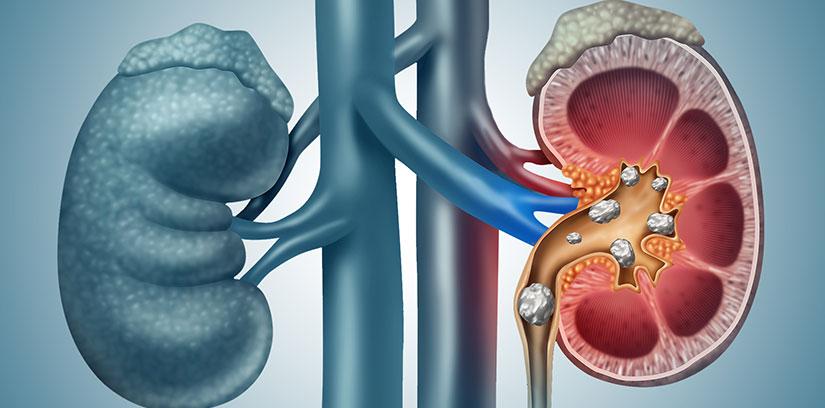
Anyone who has experienced a kidney stone will tell you it’s a pain they never want to feel again. While factors like genetics play a role, many people are surprised to learn that their everyday routine is often the main culprit behind this excruciating condition.
If you’ve been dealing with mild, unexplained back aching, or if you want to ensure you never have to pass another stone, adjusting a few simple habits can make all the difference. Here are five surprising daily habits that might be putting your kidneys at risk, and exactly what you can do to protect yourself.
Chronic dehydration is the single biggest risk factor for kidney stones. When you don’t drink enough fluids, your urine becomes highly concentrated. This allows minerals and salts to easily clump together and crystallize into stones. Furthermore, if you regularly do heavy workouts, hot yoga, or spend time outside in the heat, you are losing significant water through sweat, leaving less fluid to flush out your kidneys.
How to Prevent It: Don’t wait until you’re thirsty to drink water. Aim for at least 8 to 10 glasses a day, and significantly more if you are sweating heavily. A good rule of thumb is to check your urine—it should be a very pale yellow or completely clear.
You might not use the salt shaker very often, but you could still be consuming too much sodium. A high-sodium diet drastically increases the amount of calcium your kidneys must filter into your urine, which directly spikes your risk of calcium-based stones.
How to Prevent It: The vast majority of our daily sodium intake comes from processed foods, canned soups, fast food, and deli meats. Start reading nutrition labels and aim to keep your daily sodium intake under 2,300 milligrams. Flavor your meals with herbs, spices, and a squeeze of lemon juice instead of salt.
Diets heavy in red meat, poultry, pork, and even seafood can take a toll on your urinary tract. High animal protein intake increases the level of uric acid in your body while simultaneously lowering your levels of citrate—a crucial chemical naturally found in your urine that actually helps prevent stones from forming.
How to Prevent It: You don’t have to become a vegetarian, but moderation is key. Try limiting your daily meat consumption to a portion roughly the size of a deck of cards. Incorporate more plant-based proteins into your weekly meals, such as lentils, beans, and quinoa.
It sounds entirely counterintuitive: since most kidney stones are made of calcium, shouldn’t you avoid calcium-rich foods? Actually, doing so increases your risk! When your diet is low in dietary calcium, your body absorbs higher levels of oxalates (stone-forming compounds) in your intestines. These oxalates then travel to your kidneys, where they form stones.
How to Prevent It: Keep eating calcium-rich foods like milk, yogurt, and cheese. Aim for about 1,000 to 1,200 milligrams of dietary calcium daily. (Note: Always consult your doctor before taking calcium supplements, as these can sometimes have the opposite effect if not taken properly with meals).
Oxalates are naturally occurring compounds found in many incredibly healthy foods, including spinach, beets, nuts, sweet potatoes, and dark chocolate. While you shouldn’t ban these from your diet, eating them in large quantities on their own can lead to calcium oxalate stones.
How to Prevent It: The trick is food pairing. Eat your high-oxalate foods at the exact same time as calcium-rich foods. For example, add some cheese to your spinach salad or drink a glass of milk with your dark chocolate. The calcium and oxalates will bind together safely in your stomach and intestines, preventing them from ever reaching your kidneys to form a stone.
Adjusting your diet is the best way to prevent future kidney stones, but drinking water and changing your meals simply cannot dissolve a stone that has already grown too large or become lodged in your urinary tract. If you are experiencing severe waves of pain in your back or abdomen, nausea, or painful urination, you need professional medical intervention.
Don’t wait for the pain to become unbearable. MedgoPlus Health Care offers rapid diagnosis and advanced, minimally invasive treatments—like Laser Lithotripsy—to safely break down and remove kidney stones with virtually no downtime.
Copyright © 2025 Medgoplushealth- All Rights Reserved
WhatsApp us