
Visakhapatnam’s lush greenery and coastal climate make it a beautiful place to live, especially during and after the monsoon season. However, this environment also creates the perfect breeding ground for certain vector-borne diseases. If you or a loved one are experiencing a sudden, high fever that doesn’t seem to respond to standard viral medications, you might be dealing with Scrub Typhus.
Often mistaken for dengue, typhoid, or a severe flu, Scrub Typhus requires specific testing and timely treatment to prevent serious complications. Fortunately, you don’t have to navigate a crowded hospital waiting room when you’re feeling your worst. MedgoPlus Health Care brings expert diagnosis and treatment directly to your doorstep with our specialized Home Doctor Care in Vizag.
Here is everything you need to know about spotting, testing, and treating Scrub Typhus.
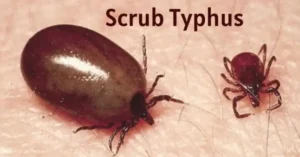
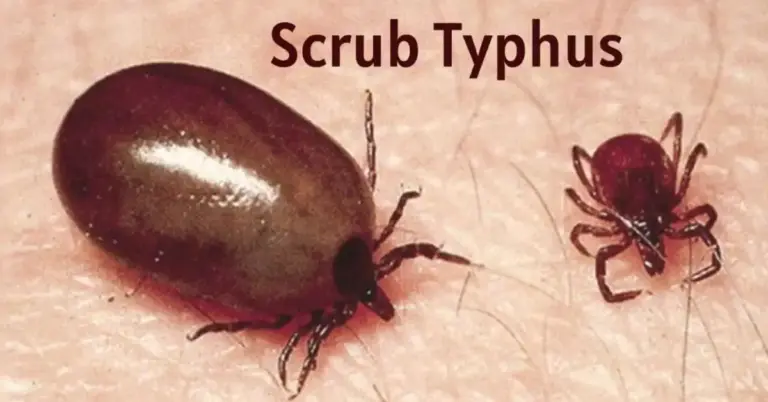
Scrub Typhus is an infectious disease caused by a bacteria called Orientia tsutsugamushi. It is not spread from person to person. Instead, it is transmitted to humans through the bite of infected larval mites, commonly known as chiggers.
These microscopic mites thrive in areas with heavy scrub vegetation, tall grasses, forests, and even damp, overgrown gardens. When an infected chigger bites you, it leaves behind the bacteria, triggering the infection.
Symptoms typically begin within 10 to 12 days after the initial chigger bite. Because the early signs mimic other common monsoonal fevers in Vizag, it is crucial to pay attention to your body. Look out for:
Sudden High Fever and Chills: Often accompanied by heavy sweating.
Severe Headache & Body Aches: Deep muscle pain that makes movement difficult.
Enlarged Lymph Nodes: Swelling in the neck, armpits, or groin.
A Red Rash: A flat or slightly raised rash that usually starts on the torso and spreads to the arms and legs.
The “Eschar” Mark (The Biggest Clue): At the site of the chigger bite, a distinct, painless, dark, scab-like sore often forms. This is known as an eschar and is the most reliable physical sign of Scrub Typhus.
Because Scrub Typhus shares symptoms with dengue and malaria, accurate diagnosis is key. If your doctor suspects Scrub Typhus, they will recommend specific blood tests:
Scrub Typhus ELISA / IFA: These tests look for antibodies your immune system produces to fight off the Orientia tsutsugamushi bacteria.
Weil-Felix Test: An older, rapid screening test that can help point toward a typhus infection.
PCR (Polymerase Chain Reaction): Used in the early stages to detect the actual DNA of the bacteria in your blood.
The good news is that Scrub Typhus is highly treatable. When diagnosed early, a specific course of antibiotics (most commonly Doxycycline) works rapidly to clear the infection. Most patients start feeling significantly better within 24 to 48 hours of starting the medication.
However, when you are battling a 103-degree fever, severe body aches, and fatigue, traveling across Vizag to a clinic or lab is the last thing you want to do.
MedgoPlus Health Care makes recovery stress-free with our Home Doctor Care:
At-Home Consultation: One of our experienced doctors will visit your home in Vizag to perform a thorough physical examination, looking for signs like the eschar mark.
At-Home Sample Collection: If tests are needed, our technicians will collect your blood samples right from your bed.
Immediate Treatment Plan: Once diagnosed, our doctor will prescribe the exact antibiotics and supportive care you need, monitoring your recovery remotely.
If a fever lasts more than three days, do not self-medicate. Early intervention prevents Scrub Typhus from affecting your lungs, liver, or kidneys.
Get Expert Medical Care Without Leaving Your Bed. Contact MedgoPlus Health Care today for reliable, compassionate Home Doctor consultations and lab services anywhere in Vizag.
Copyright © 2025 Medgoplushealth- All Rights Reserved
WhatsApp us